
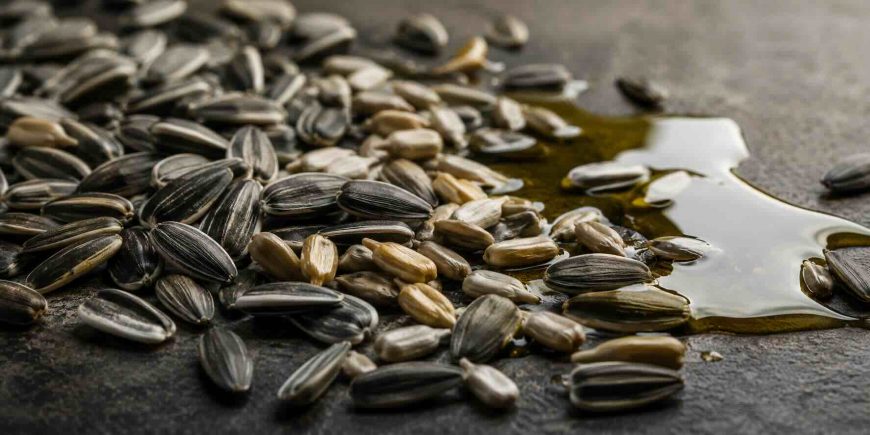
Sunflower Oil Processing: Integrating Neutralizing and Winterizing in a Single Process
Sunflower Oil Processing requires particular attention to two characteristics of the crude oil: free fatty acids and naturally occurring waxes. While acidity must be reduced during refining, waxes can affect the clarity and cold stability of the finished oil. For this reason, refinery design can benefit from an integrated approach that addresses neutralizing and winterizing within the same processing section.
Rather than considering these operations as independent stages, cold neutralizing can combine alkali neutralization with wax crystallization and separation. This creates a process route particularly suited to oils such as sunflower oil, where both acidity control and low-temperature clarity are important quality targets.
Why Waxes Matter in Sunflower Oil Processing
Sunflower oil contains waxes originating mainly from the seed hull. These compounds may remain dissolved at higher temperatures but can crystallize as the oil cools, producing haze or sediment in the final product.
Wax management therefore needs to be considered as part of refinery engineering rather than simply as a final polishing operation. Temperature profile, residence time and separation conditions must allow wax crystals to form in a controlled way before they are removed from the oil.
Cold Neutralizing: Combining Two Refining Objectives
Technoilogy’s cold neutralizing process is designed mainly for sunflower and corn oils and combines alkali neutralizing and winterizing in a single process. The oil is treated with alkali to neutralize free fatty acids, while operating conditions are managed to support the crystallization and subsequent removal of waxes.
The process can support:
- Reduction of free fatty acids through alkali neutralization
- Controlled cooling to promote wax crystallization
- Separation of soapstock and crystallized waxes
- Integration of two refining objectives within the same process section
- Production of oil with improved clarity and cold stability
This integrated approach allows acidity reduction and wax management to be coordinated according to the specific characteristics of the crude oil.
Temperature Control in Sunflower Oil Processing
The effectiveness of an integrated neutralizing and winterizing route depends strongly on temperature management. Cooling must be carefully controlled to promote the formation of separable wax crystals while maintaining stable process conditions.
This makes heat exchange, residence time and process monitoring central elements of plant design. A stable temperature profile helps create repeatable crystallization conditions and supports reliable downstream separation.
Separating Waxes While Protecting Oil Yield
Once waxes have crystallized, efficient separation becomes essential. The engineering objective is to remove the solid phase while limiting unnecessary neutral-oil losses and maintaining consistent throughput.
Integrating separation with the neutralizing section can simplify material handling and reduce the need for independent process stages. For sunflower oil producers, this creates a more coordinated refining route in which acidity reduction and cold stability are managed together.
Cold Stability as a Product Quality Target
A clear sunflower oil must remain stable not only immediately after refining but also during storage and distribution at lower temperatures. Technoilogy indicates that its cold neutralizing technology can provide stability at 0 °C for up to 24 hours, making cold stability a measurable outcome of the integrated process.
This demonstrates how refinery engineering can be connected directly to the expected performance of the final oil. Process conditions are therefore designed around specific product-quality requirements rather than around individual unit operations alone.
Integrated Engineering for Sunflower Oil Refineries
Combining neutralizing and winterizing reflects a broader approach to refinery design. When operations addressing related feedstock characteristics are engineered together, the plant can reduce process fragmentation and create a more coordinated production route.
Key objectives include:
- Coordinated acidity and wax management
- Reduced process fragmentation
- Controlled crystallization and separation conditions
- Consistent cold-stability performance
- Process design tailored to sunflower oil characteristics
This approach allows the refining configuration to respond directly to the specific processing requirements of sunflower oil.
Conclusion
Sunflower Oil Processing is not simply a sequence of conventional refining stages. The presence of naturally occurring waxes creates a specific engineering requirement that can be addressed together with acidity reduction.
By integrating alkali neutralizing and winterizing through a controlled cold neutralizing process, sunflower oil refineries can manage free fatty acids and waxes within a coordinated system. The result is a process architecture designed around the characteristics of the oil itself, supporting efficient operation, product clarity and reliable cold stability.