
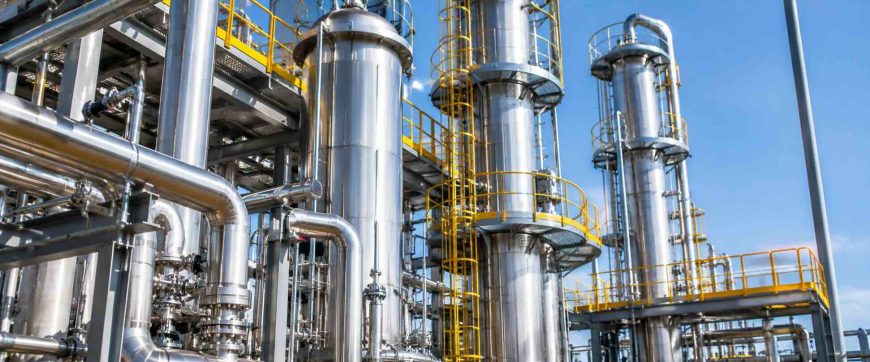
Methylester Distillation is an important technology in industrial biodiesel and oleochemical processing, particularly when manufacturers require high-purity fatty acid methyl esters (FAME) with specific product characteristics.
Beyond conventional biodiesel purification, fractional distillation allows the separation of methyl ester mixtures into selected fractions according to their volatility and carbon-chain distribution.
For industrial operators, effective Methylester Distillation depends on the coordination of vacuum conditions, temperature control and separation equipment to achieve consistent product quality and reliable process performance.
The Role of Fractional Separation in Methylester Distillation
Fatty acid methyl esters are produced through the transesterification of oils and fats with methanol. Depending on the feedstock, the resulting mixture contains methyl esters with different carbon-chain lengths and physical properties.
Fractional distillation separates these components through controlled vaporization and condensation, allowing manufacturers to recover fractions with more defined compositions.
Industrial applications may require the separation of methyl esters associated with different carbon-chain lengths, including:
- C12 methyl esters: used as intermediates in selected oleochemical applications.
- C14 methyl esters: suitable for further processing into specialty chemical derivatives.
- C16 methyl esters: relevant for applications requiring specific fatty acid compositions.
- C18 methyl esters: used in various oleochemical and industrial processing routes.
The achievable separation depends on the original feedstock composition, the degree of unsaturation and the required purity of each fraction.
A suitable distillation configuration must therefore balance product specifications, recovery efficiency and operating conditions.
Vacuum Operation and Temperature Control
Temperature management is one of the most important aspects of Methylester Distillation.
Methyl esters require elevated temperatures for vaporization, and excessive thermal exposure can negatively affect product characteristics.
Operating under vacuum reduces the boiling temperatures of the components, helping limit thermal degradation while supporting effective separation.
Important operating parameters include:
- Distillation pressure and vacuum stability
- Temperature distribution within the column
- Feedstock composition and feed rate
- Vapor-liquid equilibrium
- Condensation and reflux conditions
- Required purity of the recovered fractions
These variables must be coordinated according to the characteristics of the methyl ester mixture.
Stable pressure and temperature control supports consistent fraction quality and reliable industrial operation.
Distillation Column Design and Separation Efficiency
The performance of a Methylester Distillation system depends on the design and operating conditions of the separation column.
Effective vapor-liquid contact allows components with different volatility characteristics to be separated through successive vaporization and condensation stages.
Depending on process requirements, distillation columns may incorporate structured packing or other internals designed to improve mass transfer.
Reflux management also plays an important role in separation performance.
Returning a controlled portion of condensed vapor to the column can improve the purity of recovered fractions, although higher reflux requirements may increase energy consumption.
For this reason, column design must consider several interconnected factors:
- Separation efficiency and product recovery
- Pressure drop under vacuum conditions
- Thermal stability of the processed material
- Reflux ratio and energy requirements
- Production capacity and operational flexibility
An integrated engineering approach helps align these elements with the required product specifications.
Feedstock Characteristics and Product Quality
The composition of the incoming methyl ester mixture directly influences distillation performance.
Different vegetable oils and animal fats produce methyl ester mixtures with varying proportions of saturated and unsaturated components.
Residual impurities, moisture and unconverted materials may also affect separation efficiency and operating stability.
Appropriate upstream treatment and purification are therefore important for maintaining consistent processing conditions.
Product quality is evaluated according to the intended application, considering parameters such as methyl ester purity, carbon-chain distribution and residual contaminants.
For manufacturers producing specialized oleochemical intermediates, maintaining consistent fraction composition is essential for downstream processing.
Energy Efficiency in Methylester Distillation
Energy consumption is an important consideration in industrial distillation operations.
Heating, vaporization, condensation and vacuum generation all contribute to the overall energy demand of the process.
Efficient operation requires a balance between separation performance, product recovery and utility consumption.
Heat recovery solutions may allow thermal energy from suitable process streams to be reused, reducing external heating requirements.
Automation and process monitoring can also support stable operating conditions by coordinating temperature, pressure and reflux parameters.
These measures help manufacturers manage energy consumption while maintaining the required product quality.
TECHNOILOGY’s Approach to Methylester Distillation
TECHNOILOGY provides engineering solutions for biodiesel and oleochemical processing, including technologies dedicated to Methylester Distillation.
Its technological portfolio includes FAME fractional distillation systems for obtaining selected methyl ester fractions, such as C12, C14, C16 and C18, with stated purity levels of up to 99%, depending on process requirements.
The integration of separation equipment, vacuum operation and process control supports the production of methyl ester fractions with defined characteristics.
By considering feedstock composition, operating conditions and final product specifications during the engineering phase, industrial distillation systems can be configured to meet different processing objectives.
Conclusion
Methylester Distillation enables manufacturers to move beyond conventional biodiesel purification and obtain selected fatty acid methyl ester fractions for specialized industrial applications.
Fractional separation depends on careful management of vacuum conditions, temperature, column performance and feedstock characteristics.
Through the integration of appropriate distillation technologies and process control, industrial producers can improve separation consistency and manage product quality and operating efficiency.
TECHNOILOGY’s expertise in biodiesel and oleochemical processing supports the development of Methylester Distillation solutions tailored to different feedstocks and production requirements.