
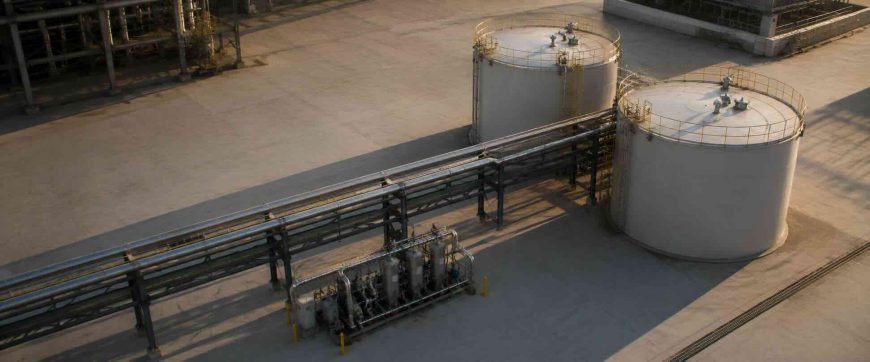
UCO Treatment: Engineering Reliable Feedstock Preparation for Renewable Fuel Production
The growing production of renewable diesel and Sustainable Aviation Fuel (SAF) is increasing demand for Used Cooking Oil as an alternative feedstock. However, differences in origin, collection and handling can create significant variations in raw material quality. UCO Treatment therefore plays a critical role in preparing these variable streams for reliable downstream processing.
Rather than considering treatment as a simple cleaning operation, modern plants require an integrated engineering approach focused on feedstock consistency, process reliability and efficient preparation for renewable fuel production.
UCO Treatment and the Challenge of Feedstock Variability
Used Cooking Oil can contain different levels and combinations of contaminants depending on its source and previous use. Typical components that must be managed include:
- Water and moisture
- Free fatty acids (FFA)
- Food particles and suspended solids
- Metals and catalyst poisons
- Phosphorus and other impurities
Variations in these contaminants can influence downstream processing conditions and plant performance. The objective is therefore to transform an inconsistent raw material into a more stable feedstock with characteristics suitable for subsequent conversion.
Engineering Around Process Reliability
Each UCO stream presents different processing requirements. For this reason, an effective treatment plant should be engineered around actual feedstock characteristics rather than based on a single fixed configuration.
Flexible engineering allows operating conditions and treatment stages to respond to changing raw material quality. This can improve operational stability, reduce unnecessary processing and provide more consistent conditions for downstream technologies.
The plant can therefore be designed not only to meet current feedstock specifications, but also to accommodate future variations in available raw materials.
Key Technologies for UCO Treatment
A modern treatment line can integrate different processing stages according to the quality of the incoming oil and the requirements of the final application.
These may include:
- Heating and conditioning
- Solid removal and filtration
- Degumming and impurity removal
- Dehydration
- Specific contaminant-removal stages
- Quality control and process automation
The appropriate combination depends on the characteristics of the incoming feedstock. Careful integration of these operations helps achieve consistent quality while controlling energy consumption, product losses and operating requirements.
Protecting Downstream Renewable Fuel Processes
Feedstock preparation directly influences the reliability of subsequent conversion stages. Contaminants remaining in the oil can interfere with downstream equipment and, depending on the process, affect catalyst performance and maintenance requirements.
An integrated engineering approach therefore considers the treatment section in relation to the renewable fuel plant as a whole. Stable feedstock specifications can support more predictable operating conditions and contribute to long-term production reliability.
Preparing Feedstocks for Renewable Diesel and SAF
As renewable diesel and SAF production continue to expand, processors may need to manage increasingly diverse waste and residual feedstocks.
Scalable plant configurations and flexible process control can help facilities respond to changing feedstock availability without compromising production requirements. Automation and monitoring also allow operators to manage variations more effectively and maintain consistent processing conditions.
This flexibility makes feedstock preparation an important part of building production facilities capable of responding to future renewable fuel demand.
Conclusion
UCO Treatment is a strategic engineering stage for converting variable Used Cooking Oil streams into reliable feedstocks for renewable fuel production.
By combining feedstock-specific process design, flexible treatment technologies and effective integration with downstream operations, producers can improve plant reliability, manage challenging raw materials and support efficient renewable diesel and SAF production.