
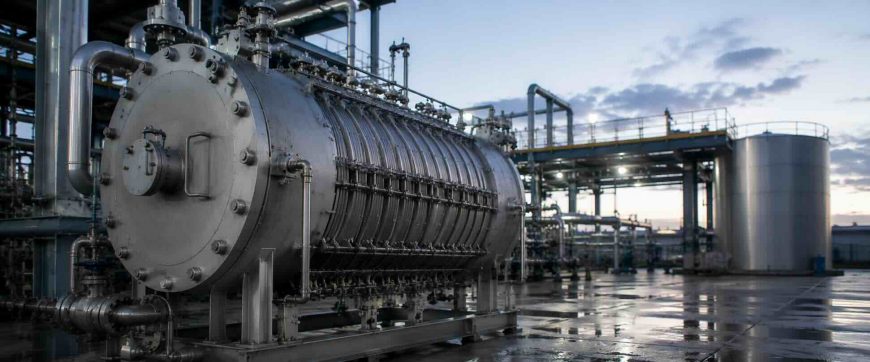
Glycerine Refinery: Engineering High-Purity Glycerine for Industrial Applications
The growing production of biodiesel and oleochemicals has significantly increased the availability of crude glycerine. A modern Glycerine Refinery transforms this by-product into a valuable raw material suitable for pharmaceutical, cosmetic, food and industrial applications. Achieving this result requires a carefully engineered process capable of managing variable feedstock quality while maintaining consistent purity and operational efficiency.
Why Crude Glycerine Requires Advanced Refining
Crude glycerine quality depends on its origin and production process. Different streams may contain impurities that prevent their direct use in high-value applications.
Typical contaminants include:
- Methanol
- Soaps
- Salts
- Catalyst residues
- Water
- Organic impurities
Removing these components requires dedicated purification technologies and accurate control of operating conditions throughout the refining process.
Engineering a Glycerine Refinery Around Feedstock Quality
Effective plant design begins with understanding the characteristics of the incoming crude material. Feed composition, impurity levels and required final specifications determine the most appropriate process configuration.
A flexible engineering approach allows operating conditions to adapt to variations in crude glycerine while maintaining stable production. This can also improve product recovery, optimize utility consumption and support reliable long-term operation.
Process Technologies for High-Purity Glycerine
Producing high-purity glycerine requires the integration of several processing stages rather than relying on a single purification operation.
A modern refining line can include:
- Pre-treatment and purification
- Evaporation
- Vacuum distillation
- Polishing systems
- Quality control
- Process automation
Careful integration of these technologies helps maximize product recovery while controlling energy consumption and maintaining demanding purity specifications.
Improving Efficiency Through Process Integration
The performance of the plant depends on how effectively individual processing stages work together. Heat management, vacuum conditions, automation and process monitoring can all influence energy efficiency and final product quality.
Integrated engineering allows these variables to be managed as part of a complete production system, helping reduce unnecessary resource consumption and maintain consistent operating conditions.
Designing Plants for Future Demand
As renewable fuels and oleochemical production continue to expand, producers require plants that can respond to changing market and feedstock conditions. Flexible layouts and scalable process configurations can support future capacity increases without requiring a completely different production strategy.
This approach helps manufacturers protect long-term investments while maintaining efficiency, reliability and product consistency.
Conclusion
A Glycerine Refinery is an integrated engineering solution designed to transform variable crude glycerine streams into high-value purified products. By combining appropriate purification technologies, efficient process integration and flexible plant design, manufacturers can improve recovery, control operating costs and consistently achieve the quality required for demanding industrial applications.