
Logo
  • Home
  • About Us
    • Who we are
    • Our workshop
    • Engineering
    • Our Team
    • Our Offices
      • Branch Offices
      • Representative Offices
    • Our partners
  • Our Technologies
    • Oilseed Extraction
    • Oil Refining
    • Dry Fractionation Plant
    • Oleochemicals
    • Biodiesel
    • Waste Oil Pre-treatment
    • Lube Oil Re-refining
  • R & D
  • Our services
  • Plants
  • Media
    • News
    • Technoilogy Talks
    • Conferences & Exhibitions
    • Insights
    • Video
  • Contact us
image
  • Home
  • About Us
    • Who we are
    • Our workshop
    • Engineering
    • Our Team
    • Our Offices
      • Branch Offices
      • Representative Offices
    • Our partners
  • Our Technologies
    • Oilseed Extraction
    • Oil Refining
    • Dry Fractionation Plant
    • Oleochemicals
    • Biodiesel
    • Waste Oil Pre-treatment
    • Lube Oil Re-refining
  • R & D
  • Our services
  • Plants
  • Media
    • News
    • Technoilogy Talks
    • Conferences & Exhibitions
    • Insights
    • Video
  • Contact us
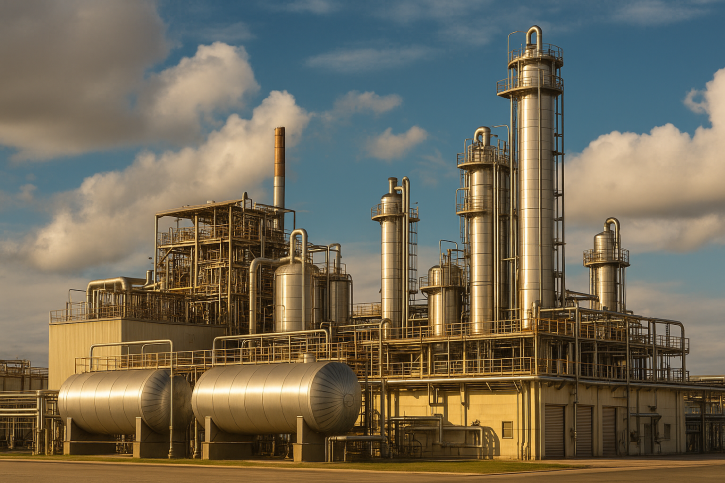
Sustainable biofuels 2025 facility producing biodiesel and renewable diesel from oils, fats, and waste feedstocks”
  • 31 Luglio 2026 by Technoilogy
  • Insights

Sustainable Biofuels 2025: Biodiesel vs Renewable Diesel & The Path Forward

Sustainable Biofuels 2025: Biodiesel vs Renewable Diesel & The Path Forward

Sustainable biofuels 2025 are no longer viewed as niche alternatives—they have become central pillars of the global energy transition. As countries accelerate decarbonization efforts, biofuels are gaining strategic importance alongside electrification and hydrogen. Yet not all biofuels are created equal. Biodiesel and renewable diesel both reduce reliance on fossil fuels, but they differ fundamentally in chemistry, feedstock, emissions, and market positioning. Understanding these differences is critical for producers, regulators, and end users preparing for 2025 and beyond.

Introduction to Sustainable Biofuels

The term sustainable biofuels 2025 refers to liquid fuels derived from renewable biological feedstocks that meet modern sustainability and emissions reduction criteria. Unlike first-generation biofuels that faced criticism for competing with food supplies, today’s sustainable biofuels emphasize circularity, waste valorization, and greenhouse gas (GHG) reductions. Two dominant players in this space are biodiesel and renewable diesel, each with unique strengths and weaknesses.

The global context is decisive. According to the International Energy Agency, sustainable biofuels must provide at least 10% of transport energy demand by 2030 to stay on track for net-zero. With aviation, shipping, and heavy-duty trucking sectors struggling to electrify, liquid renewable fuels remain indispensable. Biodiesel and renewable diesel thus occupy critical positions in national energy strategies, carbon markets, and corporate ESG commitments.

But why distinguish between biodiesel and renewable diesel? Because misunderstanding their differences can lead to costly missteps in regulation, investment, and technology adoption. This article will break down how these fuels are made, how they perform, and how they shape the broader future of sustainable biofuels 2025.

Biodiesel: Processes, Chemistry & Applications

Biodiesel is the older and more established of the two fuels. Produced via transesterification, biodiesel is created when natural triglycerides (oils and fats) react with an alcohol—usually methanol—in the presence of a catalyst. The process yields fatty acid methyl esters (FAME) and glycerine as a by-product. This relatively simple process can be adapted to a wide variety of feedstocks, from soybean oil and rapeseed to used cooking oil and animal fats.

Chemistry and Characteristics

The defining chemical feature of biodiesel is that it consists of FAME molecules. These molecules are oxygenated, making biodiesel less energy-dense than fossil diesel and more susceptible to oxidation and cold flow problems. Key properties include:

  • Lower energy content: Approximately 8–10% lower than conventional diesel.
  • Cold flow limitations: Prone to gelling at low temperatures, requiring additives or blending.
  • Lubricity benefits: Superior lubricating properties that can extend engine life.
  • Biodegradability: Naturally breaks down, reducing environmental risks in case of spills.

Despite technical challenges, biodiesel is widely recognized for its ability to reduce lifecycle GHG emissions by 50–60% compared to fossil diesel, depending on feedstock and production efficiency.

Feedstock Options

One of biodiesel’s strengths lies in feedstock flexibility. Common inputs include:

  • Vegetable oils: Soybean, rapeseed, sunflower, and palm oil.
  • Animal fats: Tallow, lard, poultry fat.
  • Waste oils: Used cooking oil (UCO) and grease trap waste.

Feedstock choice significantly impacts both economics and sustainability. For example, biodiesel from used cooking oil can deliver up to 85% GHG savings, while palm-based biodiesel raises concerns over deforestation.

Applications

Biodiesel is most commonly blended with fossil diesel. Blends are denoted as BXX, where XX indicates the biodiesel percentage. For example:

  • B5: 5% biodiesel, widely accepted under existing diesel standards.
  • B20: 20% biodiesel, used in fleets and regions with supportive regulations.
  • B100: Pure biodiesel, suitable only for engines specifically designed or adapted for it.

Globally, biodiesel is used in road transport, agriculture, and stationary engines. It is especially attractive in countries with abundant oilseed agriculture, such as the United States, Brazil, and parts of Europe.

Limitations and Challenges

Despite its advantages, biodiesel faces several hurdles:

  • Oxidative stability: Shorter shelf life compared to renewable diesel.
  • Cold flow properties: Limits use in colder climates without additives.
  • Infrastructure issues: Biodiesel can dissolve deposits in pipelines and tanks, creating maintenance challenges during transition periods.

Nevertheless, biodiesel remains a cornerstone of sustainable biofuels 2025, particularly as a stepping stone toward more advanced solutions.

Looking to develop high-efficiency biodiesel plants or upgrade your sustainable biofuels 2025 strategy?

Contact Technoilogy

Renewable Diesel: Processes, Chemistry & Applications

Renewable diesel, also known as hydrotreated vegetable oil (HVO), represents the new frontier in sustainable biofuels 2025. Unlike biodiesel, which produces FAME molecules, renewable diesel undergoes a hydrotreatment process that removes oxygen from triglycerides, resulting in hydrocarbons chemically identical to fossil diesel. This distinction makes renewable diesel a true “drop-in fuel” compatible with existing engines, pipelines, and fuel distribution systems.

Chemistry and Production

The key process for renewable diesel production is hydrotreating, which uses hydrogen and catalysts under high pressure and temperature. The chemical reaction removes oxygen atoms from triglycerides, leaving behind hydrocarbons in the diesel range. This results in a fuel with:

  • Higher energy content: Comparable to or slightly better than fossil diesel.
  • Superior cold flow properties: Especially when tailored with isomerization processes.
  • Excellent storage stability: Unlike biodiesel, renewable diesel resists oxidation.
  • Compatibility: Can be blended at any ratio with fossil diesel, including 100% substitution.

Renewable diesel thus solves many of the technical challenges associated with biodiesel, making it the preferred choice for advanced fleets, aviation, and long-haul transport.

Feedstock Considerations

Like biodiesel, renewable diesel can be made from a variety of feedstocks: vegetable oils, animal fats, and used cooking oils. However, the process is more flexible, as impurities can be managed during hydrotreating. Increasingly, producers are investigating algae oils, tall oil, and waste-based lipids to reduce reliance on food-based crops.

Applications

Renewable diesel has already gained traction in regions with strong policy support:

  • California: Widespread adoption under the Low Carbon Fuel Standard (LCFS).
  • Nordic countries: High blends in public transport fleets.
  • Aviation: Emerging use as a base for sustainable aviation fuel (SAF).

As infrastructure compatibility is nearly seamless, renewable diesel has the potential to scale faster than biodiesel, particularly in sectors where electrification is less feasible.

Limitations

The main challenges for renewable diesel are economic and infrastructural:

  • High capital investment: Hydrotreating facilities are more expensive than biodiesel plants.
  • Hydrogen demand: Production requires significant hydrogen, raising costs and emissions if not sourced sustainably.
  • Feedstock competition: Same feedstocks as biodiesel, raising supply chain challenges.

Despite these challenges, renewable diesel is increasingly positioned as the most viable fuel for achieving net-zero transport goals in the next decade.

Biodiesel vs Renewable Diesel: A Detailed Comparison

Though both fuels belong to the family of sustainable biofuels 2025, biodiesel and renewable diesel differ in fundamental ways. Understanding these differences is key for investors, regulators, and end users choosing between the two.

Chemical Structure and Energy Content

  • Biodiesel: Composed of FAME molecules; lower energy density and stability issues.
  • Renewable diesel: Composed of hydrocarbons; higher energy density and superior cold flow properties.

Engine Compatibility

  • Biodiesel: Typically blended up to B20 in standard engines. B100 use requires modifications.
  • Renewable diesel: Fully drop-in fuel; 100% compatible with diesel engines without modifications.

Feedstock and Flexibility

  • Biodiesel: Sensitive to feedstock impurities; certain oils lead to higher refining costs.
  • Renewable diesel: More robust hydrotreating process can handle a wider range of inputs.

Greenhouse Gas Emissions

  • Biodiesel: Reduces lifecycle GHG emissions by 50–60% (depending on feedstock).
  • Renewable diesel: Reductions up to 80–90% possible with waste feedstocks and green hydrogen.

Production Costs

  • Biodiesel: Lower capex but higher opex due to shorter shelf life and blending limitations.
  • Renewable diesel: Higher capex but greater long-term competitiveness due to drop-in compatibility.

Market Adoption

  • Biodiesel: More established globally, especially in agricultural economies.
  • Renewable diesel: Rapidly expanding in advanced economies with strong climate policies.

The conclusion? Biodiesel remains a valuable transitional fuel, while renewable diesel is emerging as the preferred long-term solution in the sustainable biofuels landscape.

Want to compare technologies for biodiesel and renewable diesel production in your sustainable biofuels 2025 strategy?

Discover Technoilogy Solutions

Feedstock Landscape for Sustainable Biofuels 2025

Feedstock availability is the single most critical factor influencing the future of sustainable biofuels 2025. The type, cost, and sustainability of feedstocks determine lifecycle emissions, production costs, and scalability of both biodiesel and renewable diesel.

Vegetable Oils

Historically, the bulk of biodiesel and renewable diesel has been produced from vegetable oils such as soybean, rapeseed, sunflower, and palm oil. While these feedstocks are widely available, they also spark debates around food-versus-fuel competition and deforestation, particularly in the case of palm oil.

Policy frameworks in Europe and North America increasingly favor certified sustainable oils, pushing producers to demonstrate supply chain transparency and compliance with deforestation-free standards.

Animal Fats

Animal fats such as tallow, lard, and poultry fat offer lower-cost alternatives to vegetable oils. They are particularly attractive in regions with robust meat industries, turning by-products into valuable fuel feedstocks. However, availability is geographically limited and quality can vary, requiring robust refining systems.

Used Cooking Oil (UCO)

Used cooking oil has emerged as one of the most sustainable and politically favored feedstocks for sustainable biofuels 2025. It provides high GHG savings (up to 85%), diverts waste from landfills, and reduces pressure on virgin oils. The main challenge is collection and logistics, as UCO supply is fragmented across restaurants, households, and small-scale producers.

Emerging Feedstocks

To secure long-term scalability, the industry is exploring emerging feedstocks:

  • Algae oils: High yield per hectare, can grow on non-arable land, and absorb CO₂.
  • Lignocellulosic residues: Agricultural residues, forestry waste, and municipal solid waste.
  • Industrial by-products: Tall oil from paper mills and fatty acid distillates from refining.

These advanced feedstocks represent the frontier of next-generation sustainable biofuels 2025, with the potential to expand capacity without competing with food supplies.

Sustainability & Emissions

The defining promise of sustainable biofuels 2025 is emissions reduction. Lifecycle assessments (LCA) are the primary tool used to measure their climate impact. The performance varies by fuel type and feedstock.

Greenhouse Gas (GHG) Reductions

  • Biodiesel: Typically achieves 50–60% GHG savings compared to fossil diesel.
  • Renewable diesel: Achieves 70–90% savings, especially when produced from waste oils or animal fats.

By 2025, regulatory schemes such as the EU Renewable Energy Directive (RED II) and California’s LCFS require minimum GHG reduction thresholds, putting pressure on producers to adopt waste-based feedstocks and improve process efficiency.

Air Quality and Co-Benefits

In addition to CO₂ reductions, sustainable biofuels lower tailpipe emissions of particulate matter, carbon monoxide, and unburned hydrocarbons. This makes them attractive for urban fleets, where air quality is a major concern. However, nitrogen oxide (NOx) emissions can be higher in some biodiesel blends, requiring engine optimization or aftertreatment systems.

Certification and Traceability

To qualify as sustainable biofuels 2025, producers must comply with strict certification schemes such as ISCC (International Sustainability & Carbon Certification) or RSB (Roundtable on Sustainable Biomaterials). These ensure traceability from feedstock origin to final fuel delivery, providing transparency to regulators and consumers alike.

Economic & Regulatory Outlook

The economics of sustainable biofuels 2025 are shaped by policy incentives, carbon markets, and global energy demand. Without supportive regulation, most biofuels remain less competitive than fossil diesel due to higher production costs.

Policy Drivers

Governments worldwide are implementing ambitious biofuel policies:

  • European Union: The RED II mandates a 14% renewable energy share in transport by 2030, with limits on crop-based biofuels and higher targets for advanced biofuels.
  • United States: The Renewable Fuel Standard (RFS) and California’s LCFS create strong incentives for biodiesel and renewable diesel.
  • Asia: Countries like Indonesia, Malaysia, and India are scaling biodiesel blending mandates to support domestic agriculture and reduce fuel imports.

Market Economics

Costs for biodiesel and renewable diesel vary widely depending on feedstock and technology. Key factors include:

  • Biodiesel: Lower capital investment, but limited scalability and shelf life challenges.
  • Renewable diesel: Higher capital costs, but drop-in compatibility and stronger long-term market acceptance.

Carbon credit markets and subsidies significantly affect competitiveness. In California, for example, renewable diesel often undercuts fossil diesel prices when LCFS credits are applied.

Competition with Electrification

While electric vehicles dominate headlines, sustainable biofuels 2025 remain indispensable for sectors that are hard to electrify, such as heavy trucking, aviation, and shipping. In fact, biofuels are expected to complement electrification rather than compete with it, ensuring diverse pathways to decarbonization.

Need guidance on feedstocks, emissions, or regulatory compliance for your sustainable biofuels 2025 projects?

Talk to Technoilogy Experts

Future Pathways for Sustainable Biofuels 2025 and Beyond

The future of sustainable biofuels 2025 extends beyond biodiesel and renewable diesel. To meet climate goals and secure energy resilience, the industry is advancing toward next-generation biofuels that use diverse feedstocks and cutting-edge technologies.

Advanced Biofuels

Advanced biofuels are produced from non-food feedstocks such as agricultural residues, forestry by-products, and municipal solid waste. These fuels address the food-versus-fuel debate while expanding production potential. Examples include:

  • Cellulosic ethanol: Produced from agricultural residues like corn stover and wheat straw.
  • Fischer-Tropsch diesel: Produced from syngas generated via biomass gasification.
  • Algal biofuels: Oils derived from algae with high yield potential and minimal land use.

Although many of these pathways are still in pilot or early commercial stages, they represent the long-term scalability solution for the global biofuel industry.

Integration with Hydrogen and E-Fuels

A promising trend is the integration of biofuels with hydrogen and e-fuels. By combining bio-based carbon sources with green hydrogen, producers can generate synthetic fuels with near-zero lifecycle emissions. This approach could play a critical role in aviation and shipping, where energy density requirements are high and direct electrification is less viable.

The Role in the Energy Mix

By 2030, sustainable biofuels 2025 are expected to cover 15–20% of transport energy demand in some regions, complementing electrification and hydrogen. Their versatility, compatibility with existing infrastructure, and potential for negative emissions (through carbon capture integration) ensure they remain an indispensable part of the global decarbonization toolkit.

Technoilogy’s Role in Sustainable Biofuels

Technoilogy supports the global transition to sustainable biofuels 2025 by delivering advanced processing technologies and turnkey plant solutions. With decades of expertise in oils, fats, and biofuel engineering, the company provides clients with systems that maximize yield, reduce emissions, and ensure compliance with evolving regulations.

Turnkey Plant Solutions

Technoilogy designs and installs complete biodiesel and renewable diesel plants, covering all key stages:

  • Feedstock pretreatment for oils, animal fats, and UCO.
  • Transesterification units for biodiesel production.
  • Hydrotreating systems for renewable diesel and sustainable aviation fuel.
  • Glycerine recovery and by-product valorization technologies.

Case Studies

Examples of Technoilogy’s contributions include:

  • Europe: A biodiesel facility optimized for used cooking oil, reducing lifecycle GHG emissions by 85%.
  • Asia: Renewable diesel plant integrating hydrogen supply for low-carbon production.
  • Latin America: Hybrid biodiesel-renewable diesel facility maximizing feedstock flexibility.

Competitive Edge

By combining engineering expertise, sustainability integration, and client support, Technoilogy helps producers secure a competitive advantage in the evolving sustainable biofuels 2025 market.

Ready to build the future of sustainable biofuels 2025 with innovative biodiesel and renewable diesel technologies?

Partner with Technoilogy Today

Conclusion

The debate of biodiesel vs renewable diesel is less about competition and more about complementarity within the framework of sustainable biofuels 2025. Biodiesel provides a proven, flexible option for immediate GHG reductions, while renewable diesel offers superior compatibility and long-term scalability.

Looking forward, the path to net-zero requires a portfolio of solutions. Feedstock diversification, advanced biofuels, integration with hydrogen, and digitalized plant technologies will all play critical roles. By 2025 and beyond, sustainable biofuels are set to remain at the center of the global energy transition.

Technoilogy is proud to empower this shift with turnkey plants, innovative refining technologies, and end-to-end engineering expertise. For producers, regulators, and end users alike, the message is clear: the future of sustainable fuels is here, and it runs on smart, scalable, and truly sustainable biofuels.

Insights

Navigazione articoli

prev article
next article
Categorie
  • Conferences & Exhibitions
  • Insights
  • News
  • Technoilogy Talks

Who we are

TECHNOILOGY, a story of over 65 years of excellence and expertise. TECHNOILOGY is an international engineering company specialized in the design and manufacturing of plants for Edible Oils, Oleochemicals and Biodiesel production.
get in touch
Logo
  • China
  • Canada
  • Russia
  • Germany

Our News

  • Biodiesel purification and glycerine distillation facility with stainless steel tanks and columns under daylight

    Biodiesel Purification & Glycerine Distillation: From By-Product to Value Chain Biodiesel production does not end with transesterification: to meet international standards (EN 14214, ASTM D6751) and ensure reliable engine performance, the fuel must undergo a careful stage of biodiesel purification. In parallel, glycerine distillation transforms a by-product – crude glycerol – into a valuable resource for pharmaceutical, cosmetic, food, and fine chemical industries. This article provides an in-depth analysis of typical impurities in crude biodiesel, the most common purification techniques (water washing, dry washing, membrane separation), strategies for glycerine distillation, and opportunities for value creation across the supply chain. Why Biodiesel Purification is Essential Insufficiently purified biodiesel carries technical risks (filter clogging, corrosion, deposits), economic risks (reprocessing, product recalls), and regulatory risks (non-compliance). The goals of biodiesel purification are: Remove residual catalysts (NaOH/KOH or acids), soaps, and salts. Eliminate free glycerol and unreacted monoglycerides/diglycerides. Separate methanol and water to comply with flash point and stability limits. Reduce traces of metals and suspended solid contaminants. Stabilize biodiesel against oxidation and cold flow issues (with additives if needed). The expected outcome is a FAME product compliant with standards, with key parameters such as total/free glycerol, acid value, water content, total contamination, and oxidative stability within the required ranges. Typical Impurities in Crude Biodiesel The feedstock and process design strongly influence impurity profiles. After transesterification and glycerine phase separation, crude FAME typically contains: Residual alcohol (mainly methanol): lowers flash point, increases volatility and safety risks. Catalysts and soaps: soaps form from base reaction with FFA; cause emulsions and phase losses. Free glycerol and mono/diglycerides: impair filterability and cause deposits. Water: promotes hydrolysis, free fatty acid formation, and corrosion. Solid matter in suspension: residual filter aids, adsorbents, dust, particulates. Trace metals (Na, K, Ca, Mg) and phosphorus: affect emissions, downstream catalysts, and compliance. Biodiesel Purification Techniques There is no universal purification method: the choice depends on feedstock, catalyst type, target quality, CAPEX/OPEX balance, and available utilities. The three main families are water washing, dry washing, and membrane separation; hybrid sequences are often adopted to maximize both yield and quality. Water Washing The most traditional and widespread method. Crude FAME is contacted with water (often warm) to extract soluble catalysts, soaps, methanol, and glycerol. It can be applied as mist wash (light spraying/agitation) or bubble wash (sparging). Typical steps include: First wash to remove most soaps and methanol. Second/third washes for polishing (until conductivity/transparency targets are met). Water/FAME separation and drying (stripping, vacuum, hot air) to reduce water to compliant levels. Pros: simple, basic equipment, efficient on hydrophilic species. Cons: high water use, effluent generation (requires treatment), risk of emulsions and FAME losses if soap levels are high. Best practice: light acid wash (citric/phosphoric) to “break” soaps before water wash, reducing emulsions. Dry Washing A “dry” alternative based on adsorbents (ion exchange resins, magnesium silicate, activated clays). FAME flows through columns/filters where impurities are retained. Can be single-pass or multi-stage with mixed media. Pros: no wastewater, compact layout, more stable continuous processes, fewer emulsions. Cons: adsorbent cost and management, robust filtration needed, risk of channeling and media saturation. Often followed by a polishing stage (fine filters, coalescers) and methanol recovery/stripping. Membrane Separation Membrane technologies (micro/ultra/nanofiltration) separate species by size/charge. In biodiesel purification they are used to reduce free glycerol, soaps, water, and solids. They can reduce the use of water and adsorbents but require careful fouling control and effective CIP cleaning systems. Hybrid Sequences and Optimization Many plants adopt hybrid trains such as: acid crack → minimal water wash → dry polish → methanol stripping. Optimization levers include: Upstream FFA control (pretreatment) to limit soap formation. Adsorbent dose/contact time and filter bed quality. Methanol management (energy-efficient recovery, recycle into reaction). Vacuum drying at low temperature to preserve stability. Critical Quality Parameters (Post-Purification) To declare the product compliant, QC laboratories monitor key indicators after biodiesel purification: Total and free glycerol (EN/ASTM limits). Monoglycerides/diglycerides (indicative of incomplete conversion). Acid value (residual FFA) and iodine number. Water content and sediments/particulates. Metals (Na, K, Ca, Mg), phosphorus, sulfur. Oxidative stability (Rancimat) and cloud point/CFPP. Methanol Management and Safety Residual methanol must be reduced below regulatory thresholds for flash point and safety. Strategies include stripping (steam/inert gas), recycle columns, and recovery for reuse in transesterification. ATEX systems, vapor detection, and ventilation procedures are integral to process engineering. Glycerine: By-Product or Opportunity? The heavy phase of transesterification contains glycerine (glycerol), methanol, soaps, and impurities. Value is created through neutralization, clarification, concentration, and finally glycerine distillation to obtain technical, USP/Ph.Eur., and food/cosmetic grades. Purified glycerine is used as: Humectant and solvent in cosmetics and personal care. Food additive (E422) and pharmaceutical excipient. Intermediate for propylene glycol, resins, and plasticizers. Typical Glycerine Processing Line Neutralization: remove catalyst, convert soaps to FFA (then separated). Separation/clarification of salts and coarse impurities (decanting, centrifugation). Evaporation: remove methanol and water (recover methanol). Bleaching/filtration (if required) to improve color. Vacuum distillation (often multi-effect, thin-film, or molecular distillation) to achieve purities >99.5%. Plant design balances target purity, energy use, fouling risks, and thermal stability. Thin-film configurations reduce thermal degradation and improve product quality. Glycerine Grades and Specifications Crude glycerine (60–85%): destined for further processing or low-value technical uses. Technical grade (≥95%): for paints, resins, antifreeze, lubricants. USP/Ph.Eur./Food grade (≥99.5%): cosmetics, pharmaceuticals, food. Correct glycerine distillation is decisive for accessing premium markets. Markets and Applications of Purified Glycerine Demand for high-quality glycerine is growing in cosmetics, sanitizers, pharmaceuticals, and food. Trends include: Personal care formulations requiring safe, natural humectants. Production of bio-based propylene glycol as a green substitute. Use in alkyd resins, plasticizers, and eco-friendly lubricants. Comparative Overview: FAME Purification Techniques Technique Pros Cons Best Fit Water washing Simple, effective on hydrophilic species Water use, effluents, risk of emulsions Small/medium plants, limited CAPEX Dry washing No wastewater, continuous, stable Adsorbent cost, filter/column management Medium/large plants, steady demand Membranes Low water/adsorbent use Fouling, higher CAPEX, CIP management When OPEX/environmental performance is priority Integration, Sustainability & Energy Purification affects both energy and water use. Best practices to reduce footprint include: Heat Read more

    Read more
  • Industrial bleaching process in edible oil refining using activated clay

    Refining Edible Oils and Fats: Degumming, Bleaching, & Advanced Purification Refining edible oils and fats is more than a technical necessity—it is the guarantee of food safety, nutritional value, stability, and consistency. Crude oils obtained from seeds or animal fats contain numerous impurities—phospholipids, free fatty acids, pigments, trace metals, and odor-causing compounds—that must be removed to transform them into high-quality edible oils. This comprehensive guide examines every stage of the oil refining process, from degumming and neutralization to bleaching and deodorization, and introduces advanced purification techniques shaping the industry in 2025. Introduction to Edible Oil Refining The global edible oil industry processes millions of tons of crude vegetable oils every year, supplying essential fats for food, feed, and industrial applications. The role of refining is crucial: without it, oils would have unacceptable flavors, poor stability, and reduced nutritional value. Refining also ensures compliance with strict food safety standards such as Codex Alimentarius, ISO, EU directives, and FDA regulations. The refining journey typically includes the following steps: Degumming: Removing phospholipids (gums) that destabilize oils. Neutralization: Eliminating free fatty acids that cause rancidity. Bleaching: Improving oil color and oxidative stability. Deodorization: Stripping odors and volatile impurities. Advanced purification: Applying membrane, enzymatic, or continuous refining technologies for higher yield and sustainability. By combining traditional expertise with cutting-edge refining technologies, modern producers can maximize yield, enhance oil quality, and reduce environmental impact. Companies like Technoilogy specialize in delivering integrated turnkey refining plants designed to meet these challenges. Degumming: Removing Phospholipids Degumming is the first critical stage of edible oil refining. Crude oils naturally contain phospholipids (commonly referred to as gums) that cause emulsion problems, dark coloration, foaming during frying, and reduced shelf life. Effective degumming not only improves stability but also prevents downstream refining units from overloading or fouling. Why Phospholipids Must Be Removed Phospholipids represent a small fraction of crude oil—typically 0.5% to 3% depending on the source—but they have a disproportionate impact on oil quality. If not removed, they contribute to: Instability: Gums promote oxidation and rancidity. Color degradation: Phospholipids contain pigments that darken oil. Poor filtration: Excess gums clog bleaching filters and reduce efficiency. Foaming during frying: Affecting safety and consumer acceptance. Water Degumming Water degumming is the simplest and most widely used technique. Hot water is added to the crude oil, hydrating the phospholipids. The hydrated gums become insoluble and can be removed by centrifugation. This method is cost-effective and suitable for oils with low gum content, such as soybean, sunflower, and corn oil. However, water degumming is limited when dealing with non-hydratable phospholipids (NHPL), which require acid treatment for effective removal. Acid Degumming Acid degumming uses citric or phosphoric acid to convert NHPL into hydratable forms, enabling their removal by water washing and centrifugation. This process is especially relevant for oils such as rapeseed, rice bran, and palm oil, where gum levels are higher and more complex. Key benefits of acid degumming include: Improved bleaching efficiency due to lower residual gums. Higher quality refined oil with reduced metal contaminants. Lower risk of off-flavors in final products. Enzymatic Degumming Enzymatic degumming is an advanced technique increasingly adopted by large-scale refiners. Specific enzymes (e.g., phospholipases) hydrolyze phospholipids into hydrophilic compounds, which are then separated. Although enzymatic processes are more expensive, they offer significant advantages: Higher oil yield: Reduced oil loss compared to chemical methods. Lower chemical usage: Minimizing environmental impact. Compatibility with high-FFA oils: Greater feedstock flexibility. Regional Preferences and Market Trends Globally, water degumming remains the dominant technique due to its simplicity. However, in regions such as Europe and North America, acid and enzymatic methods are growing rapidly, driven by sustainability concerns and the need for higher-quality refined oils. In Asia-Pacific, where palm oil dominates, hybrid systems combining water and acid degumming are increasingly common. Neutralization: Controlling Free Fatty Acids Neutralization is the refining step that removes free fatty acids (FFA) from crude oils. FFAs are unstable and lead to rancidity, off-flavors, and shorter shelf life. Neutralization ensures that oils meet quality standards for human consumption while preserving valuable nutrients. Alkali Refining Alkali refining is the traditional method for neutralizing FFAs. A caustic soda solution (sodium hydroxide) is added to the oil, reacting with FFAs to form soaps. The soapstock is then separated by centrifugation. This method is effective but can result in oil losses of up to 1% if not carefully optimized. Soapstock, a by-product of alkali refining, can be further processed into animal feed, biodiesel, or distilled fatty acids, contributing to waste valorization. Physical Refining Physical refining removes FFAs by steam distillation under vacuum, without the use of caustic soda. This process is particularly advantageous for oils with high FFA content such as palm oil, rice bran oil, and fish oil. The benefits of physical refining include: Lower chemical consumption. Reduced environmental impact (less effluent). Higher product yield and fewer neutral oil losses. Choosing the Right Neutralization Process The choice between alkali and physical refining depends on feedstock characteristics, regional regulations, and market requirements. For example, Europe favors physical refining due to stricter environmental standards, while alkali refining remains common in regions where feedstocks have lower FFA levels. Challenges in Neutralization Despite its effectiveness, neutralization poses challenges: Soapstock handling: Disposal or valorization must be managed carefully. Oil losses: Excess caustic soda can increase refining losses. Energy costs: Physical refining requires high steam and vacuum systems. Modern plants integrate continuous neutralization systems with real-time monitoring to minimize losses and improve energy efficiency. Looking to improve efficiency in degumming and neutralization? Contact Us Bleaching: Improving Color and Stability Bleaching is a central stage of edible oil refining aimed at improving clarity, stability, and sensory quality. Crude oils often contain pigments such as chlorophyll, carotenoids, and xanthophylls, as well as trace metals like iron and copper. If not removed, these compounds accelerate oxidation and reduce shelf life. Bleaching ensures that refined oils meet the visual and stability standards demanded by consumers and industry. Principles of Oil Bleaching The bleaching process relies on adsorbent materials—commonly activated clays and bleaching earths—that capture Read more

    Read more
  • TECHNOILOGY PARTNERS UP WITH MT IDEAS AMERICAS

    TECHNOILOGY is glad to announce a new strategic alliance for regional cooperation with MT Ideas Américas, a South American company specialized in the development of industrial plants for the food industry, especially for margarine and shortening. MT Ideas offers services of consulting, design and planning which ensures its customers complete solutions for their business. The company was established 27 years ago in Buenos Aires, Argentina, and relies on different branch offices in Central-South America and in the Carribbeans. “We are very happy to have formalized our alliance with MT Ideas as we have known each other for a very long time. Over the years we built a solid business relationship, centered on mutual cooperation in some international projects. Now with this new formal partnership, TECHNOILOGY gives to its customers the opportunity to extend their activities in complementary sectors, adding value to their Oils and Fats products and derivatives” declared Andrea Bernardini, Commercial Director of TECHNOILOGY. “For many years, we have specialized in the development of industrial plants for margarines and related oils and fats, automation and final packaging. Now that we joined forces with TECHNOILOGY our clients will benefit from a broader range of solutions, as they can add previous processes such as Extraction and Refining of raw materials”, commented Claudio Mendez, President of MT Ideas Americas.

    Read more

Contacts

TECHNOILOGY S.r.l.

OPERATIVE: Via D. Federici, 12/14 04012 Cisterna di Latina (LT) – Italy 

Tel./Fax: +39 06 9696181
Mail: [email protected]

A story of over 70 years of excellence and expertise.

TECHNOILOGY is an international engineering company specialized in the design and manufacturing of plants for Edible Oils, Oleochemicals and Biodiesel production.

LEGAL: Viale F. T. Marinetti, 221 00143 Roma – Italy P.IVA IT13633591006 © ; 2022 Technoilogy. All rights reserved.
Gestisci Consenso Cookie
Per fornire le migliori esperienze, utilizziamo tecnologie come i cookie per memorizzare e/o accedere alle informazioni del dispositivo. Il consenso a queste tecnologie ci permetterà di elaborare dati come il comportamento di navigazione o ID unici su questo sito. Non acconsentire o ritirare il consenso può influire negativamente su alcune caratteristiche e funzioni.
Funzionale
Sempre attivo
L'archiviazione tecnica o l'accesso sono strettamente necessari al fine legittimo di consentire l'uso di un servizio specifico esplicitamente richiesto dall'abbonato o dall'utente, o al solo scopo di effettuare la trasmissione di una comunicazione su una rete di comunicazione elettronica.
Preferenze
L'archiviazione tecnica o l'accesso sono necessari per lo scopo legittimo di memorizzare le preferenze che non sono richieste dall'abbonato o dall'utente.
Statistiche
L'archiviazione tecnica o l'accesso che viene utilizzato esclusivamente per scopi statistici. L'archiviazione tecnica o l'accesso che viene utilizzato esclusivamente per scopi statistici anonimi. Senza un mandato di comparizione, una conformità volontaria da parte del vostro Fornitore di Servizi Internet, o ulteriori registrazioni da parte di terzi, le informazioni memorizzate o recuperate per questo scopo da sole non possono di solito essere utilizzate per l'identificazione.
Marketing
L'archiviazione tecnica o l'accesso sono necessari per creare profili di utenti per inviare pubblicità, o per tracciare l'utente su un sito web o su diversi siti web per scopi di marketing simili.
Gestisci opzioni Gestisci servizi Gestisci fornitori Per saperne di più su questi scopi
Visualizza le preferenze
{title} {title} {title}